Thinking about adding an accessory dwelling unit to your Zilker property? You are not alone. Many owners see ADUs as a flexible way to create space for family, a caregiver, or a long-term tenant. Still, the path from idea to permit can feel confusing. In this guide, you will learn what counts as an ADU in Austin, how Zilker’s lot patterns and alleys affect feasibility, what to check first, and what to expect for permitting, timeline, and costs. Let’s dive in.
What counts as an ADU in Austin
An accessory dwelling unit is a secondary home on the same lot as your main house. In Austin, an ADU can be:
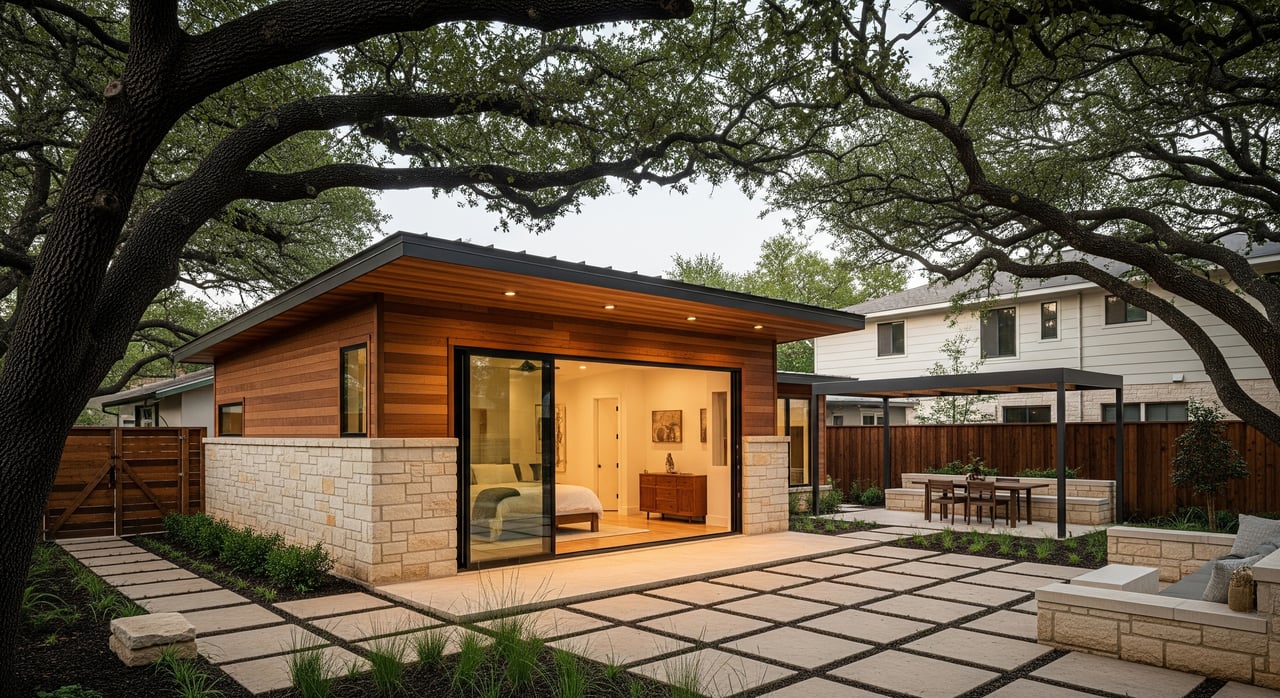
- Detached, like a backyard cottage or garage apartment.
- Attached, as an addition with a separate entrance.
- A conversion of a garage or other accessory building.
- An internal apartment within the primary structure if it has its own entrance.
It becomes an ADU once it includes permanent sleeping, cooking, and sanitation facilities and meets dwelling-code requirements. ADUs are intended for long-term residential use. Short-term rentals follow separate City rules and permits.
The City of Austin sets the standards that govern size, setbacks, height, parking, and utility hookups. Zoning, overlays, and neighborhood plans can add steps or design limits, and private HOAs or deed restrictions may also apply. Permits, site review, and inspections run through the City’s Development Services. Historic Preservation reviews apply if your property is a landmark or in a conservation area. Austin Energy and Austin Water handle service connections and metering.
Why Zilker lots make ADUs unique
Zilker is an established central Austin neighborhood with many modestly sized lots and varied block layouts. Some blocks have alleys and others do not. This pattern has a big impact on feasibility.
- Smaller lots limit the footprint and push designs toward attached additions, garage conversions, or smaller detached units.
- Alley access improves options for a detached unit with a separate entrance and off-street parking at the rear.
- Mature trees and protected species can narrow where you build and may require tree protection or replanting.
- Parts of Zilker can fall under overlays or neighborhood plan provisions that affect design compatibility and public notice.
Quick feasibility checklist
Use this first-pass checklist before you invest in design work. Early answers can save you time and money.
- Confirm zoning and overlays. Check your zoning and whether historic or conservation overlays apply. Overlays and neighborhood plans can add design steps.
- Map your lot constraints. Measure lot size, setbacks, rear-yard depth, and locate any easements, alleys, and protected trees.
- Identify access and parking. If you have an alley, note its width and condition. If not, consider driveway layout and street parking impacts under City rules.
- Review utilities. Ask Austin Energy and Austin Water about service capacity and the process for separate meters. Sewer lateral capacity matters for ADUs.
- Note historic or neighborhood rules. If in an overlay, find the design guidelines and review path. Your neighborhood association can provide context on expectations.
- Clarify your project type. A garage conversion, attached addition, or new detached unit each has different permit submittals and inspections.
- Build a realistic budget. Get itemized contractor quotes that include site work, tree protection, utility fees, and permitting costs.
- Understand rental and tax impacts. Check City rules if you plan long-term or short-term rental. Contact the Travis Central Appraisal District for appraisal and tax questions.
- Plan for neighbor outreach. Some projects trigger public notice. Early conversations can reduce friction during review and construction.
Access, parking, and design in Zilker
Access and parking can make or break an ADU in central neighborhoods.
- Alley access. If your lot backs an alley, a detached ADU can use a rear entrance and parking. This setup often reduces impacts on the main home and the street frontage.
- No alley. Without an alley, driveway changes and parking can be tighter. Plan carefully for circulation and how guests or tenants will enter without crowding the street.
- Setbacks and height. Detached ADUs must follow setback and height rules for the zoning district unless a specific ADU exception applies. This can influence placement and two-story options.
- Trees and landscaping. Heritage oaks and other protected trees can limit the building envelope. Root zones, protection fencing, and replanting can add requirements during permitting.
Utilities, metering, and code basics
Every ADU needs water, sewer, and electric service. How you connect affects both cost and ongoing management.
- Metering. You can explore separate meters for the ADU through Austin Energy and Austin Water. Meter choice can affect billing and rental arrangements.
- Upgrades. Converting a garage or older structure often triggers updates to insulation, electrical, plumbing, and fire separation to meet residential code.
- Inspections. Expect structural, fire, egress, and mechanical checks. Plan for access to the site and the unit for inspectors during construction.
Common Zilker ADU paths
Based on lot patterns and the City’s rules, Zilker owners often consider a few directionally different paths. Each has tradeoffs.
Garage conversion to guest suite
This is often the most straightforward on tight lots if the structure is sound. You will still need building permits and code upgrades.
Small detached backyard unit
A studio or one-bedroom can work where there is enough rear-yard depth or an alley. On smaller lots, placement is driven by setbacks and trees. Alley access can make this option more practical.
Attached addition with separate entrance
If you have room to expand the footprint without major site work, an attached unit with its own entry can be efficient and cost effective.
Larger two-bedroom or more
Lot size, coverage, and height limits often constrain larger units. These can be feasible with creative design on select parcels but are not practical on many Zilker lots.
Permits and typical timeline
Every project is unique, but most Zilker ADUs follow a common arc.
- Pre-application and plan prep: about 2 to 8 weeks depending on complexity and whether you need a survey, tree assessment, and architectural plans.
- Permit review and approval: a few weeks for simple conversions, longer if you need site plan review or historic review. Overlays and public notice can add time.
- Construction: a few months for straightforward conversions. New detached units often run several months to a year based on scope and site work.
- Total project timeframe: plan for roughly 6 to 12 months from first planning to move-in for many projects, longer if site or review issues arise.
Budget factors to plan for
Costs vary widely. Focus on the drivers that most affect ADU budgets in Zilker.
- Project type. Conversions are usually less expensive than new detached builds because foundations and new utility lines drive higher costs for new structures.
- Site conditions. Tree protection, driveway or alley work, sewer lateral upgrades, and stormwater or impervious cover needs can add significant cost.
- Utilities and fees. Service capacity, separate meters, and City fees are material line items. Ask for itemized contractor bids that call out utility and permit costs.
- Finishes and systems. Scope your mechanical, windows, insulation, and interior finishes with code compliance and long-term durability in mind.
Rental, tax, and legal notes
Set expectations early if you plan to rent the unit.
- Long-term use. ADUs are intended for long-term residential occupancy. Rules for tenant screening and leasing still apply.
- Short-term rentals. Austin has specific licensing and neighborhood rules for short-term rentals. Confirm eligibility and registration steps before you plan on STR income.
- Insurance. Review your homeowner policy and consider the right liability coverage if you will have a tenant.
- Appraisal and taxes. Contact the Travis Central Appraisal District to learn how an ADU can affect your valuation and tax basis.
How to start smart in Zilker
A strong start helps you avoid costly detours.
- Gather the basics. Pull your survey, take rough measurements, note tree locations, and photograph the alley if you have one.
- Verify rules. Confirm zoning, overlays, and any neighborhood plan items. If a historic or conservation overlay applies, read the specific design guidance.
- Define the use. Decide if the unit will be for family, a caregiver, or a long-term tenant. Your use can guide layout, parking, and metering choices.
- Choose a path. Weigh a garage conversion, small detached unit, or attached addition based on your lot, trees, and access.
- Build the team. Talk with local architects and contractors who have ADU experience. Ask for itemized bids that include permitting, utilities, and tree protection.
- Plan the timeline. Align your schedule with permit review windows, neighbor notifications if required, and realistic construction durations.
If you plan to sell after completing an ADU, or you want to list a home that is ADU ready, premium staging, photography, and strategic marketing can highlight the value of flexible space. With deep neighborhood knowledge in Zilker and central Austin, Kim Fodor can help you position your home, reach qualified buyers, and negotiate the strongest outcome.
FAQs
What is an ADU in Austin and how is it different from a shed?
- It is a secondary home with permanent sleeping, cooking, and sanitation, built to dwelling-code standards, not a non-habitable accessory structure.
Are ADUs allowed on Zilker lots without alleys?
- Many are possible, but access, parking, setbacks, and trees can limit placement. Without an alley, driveway and street impacts need closer review.
How does alley access affect ADU feasibility in Zilker?
- An alley can allow a rear entrance and parking, reduce impacts on the street frontage, and often make detached backyard units more practical.
What permits and reviews should I expect for a Zilker ADU?
- City Development Services handles permits and inspections, with Historic Preservation review if overlays apply. Some projects require public notice.
How long does it take to build an ADU in Austin?
- Many projects take about 6 to 12 months from planning to occupancy, with longer timelines if site complexity or historic review is involved.
Can I use a Zilker ADU for short-term rental income?
- Only if you comply with Austin’s short-term rental licensing and neighborhood rules. Confirm eligibility and registration before you plan on STR income.
How could an ADU affect my property taxes in Travis County?
- Contact the Travis Central Appraisal District to learn how an ADU may impact valuation and your tax basis.