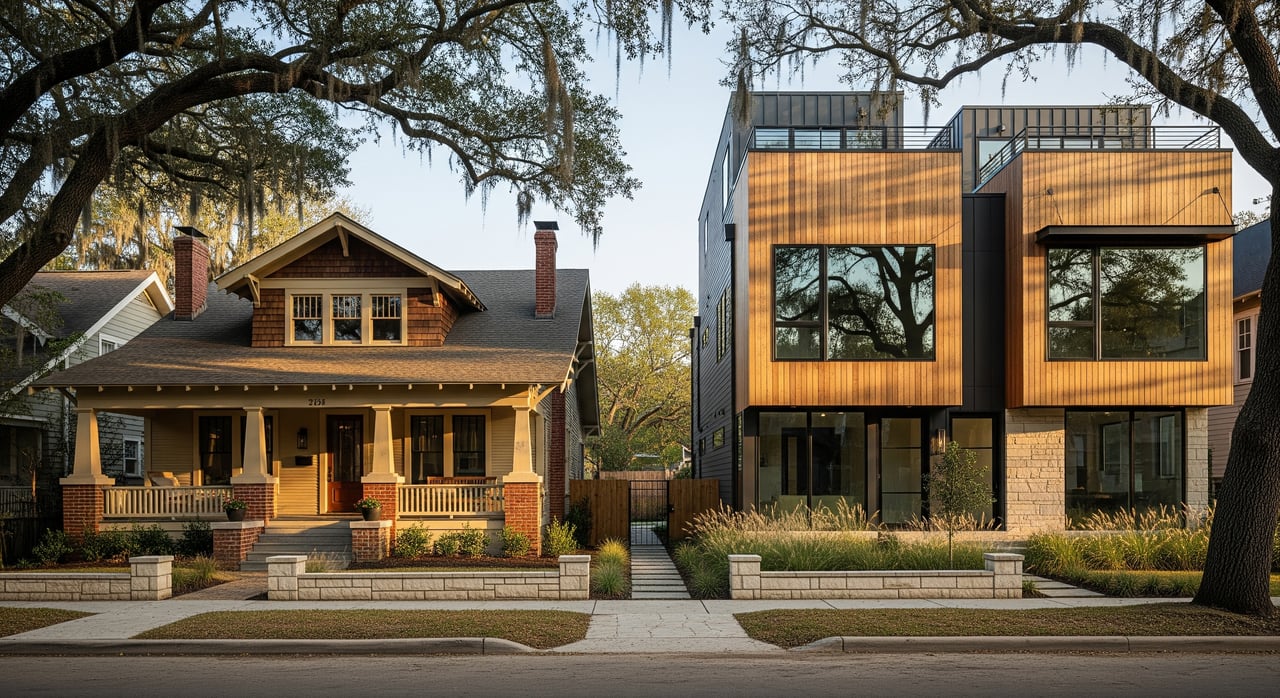
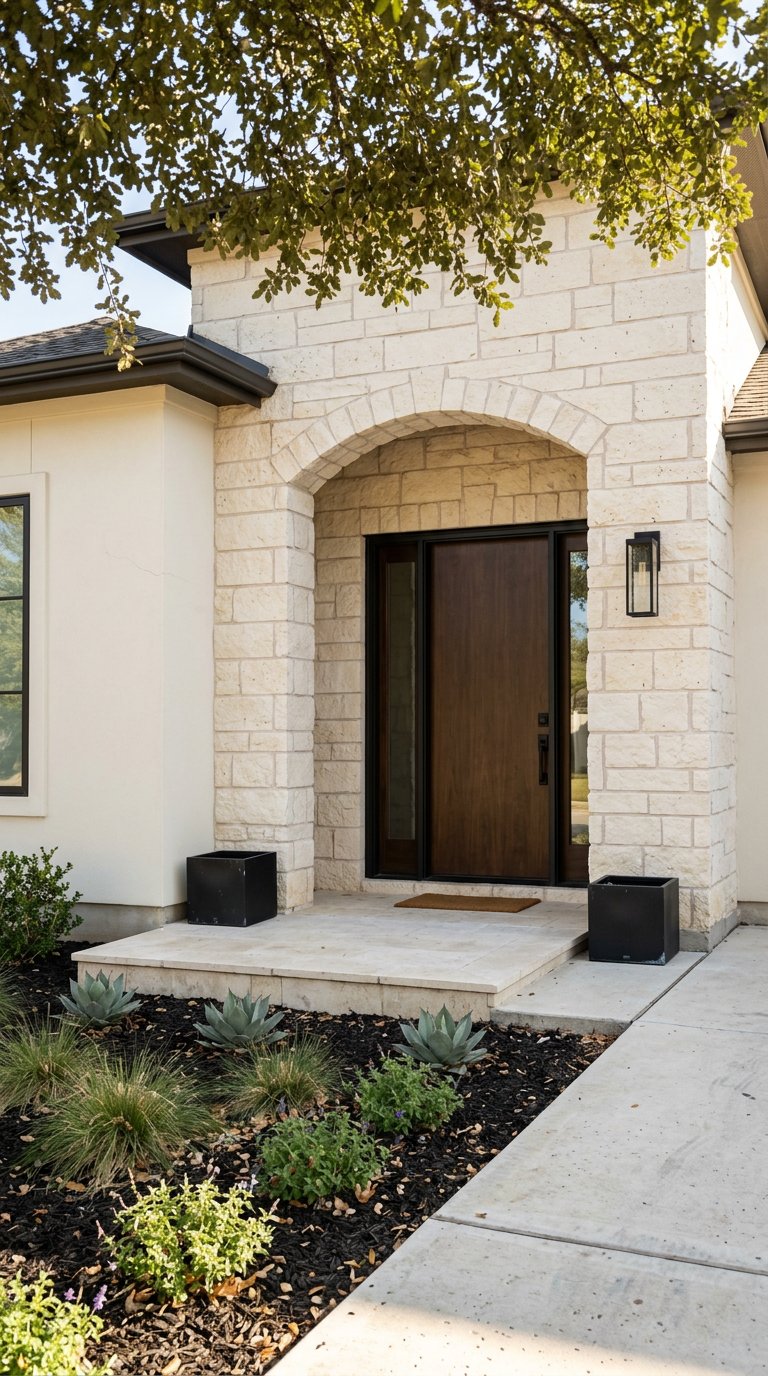
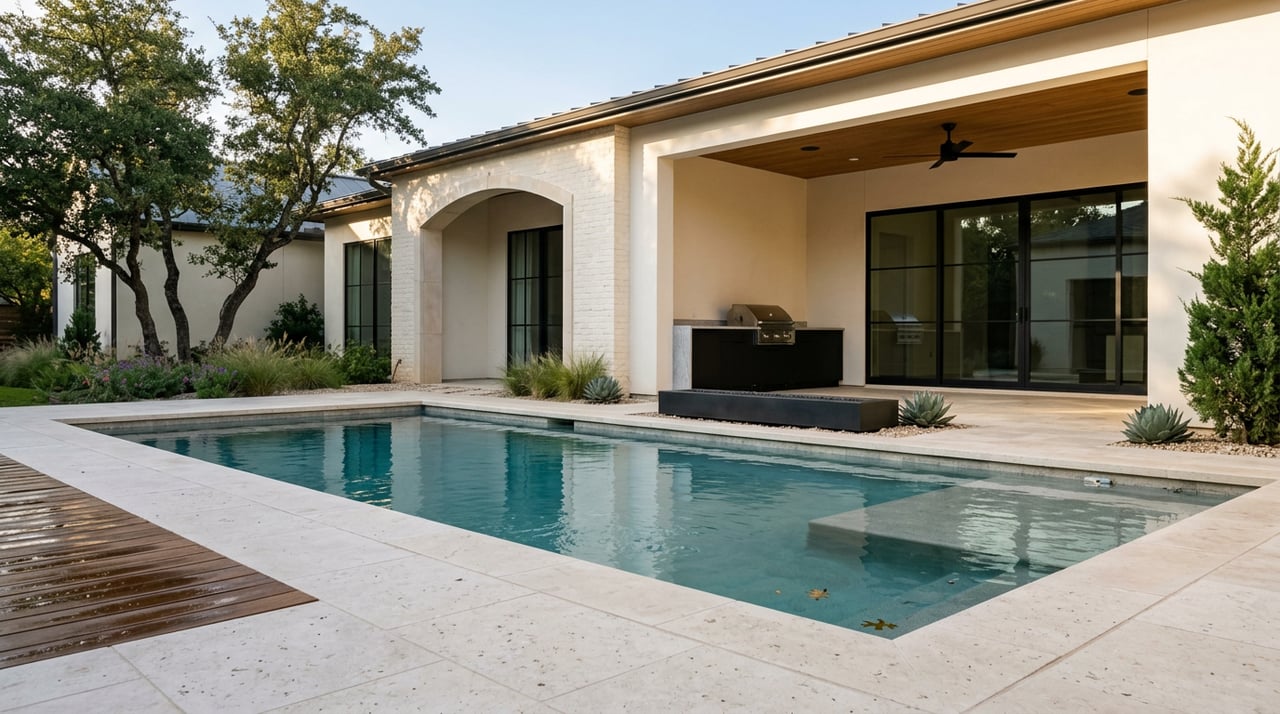
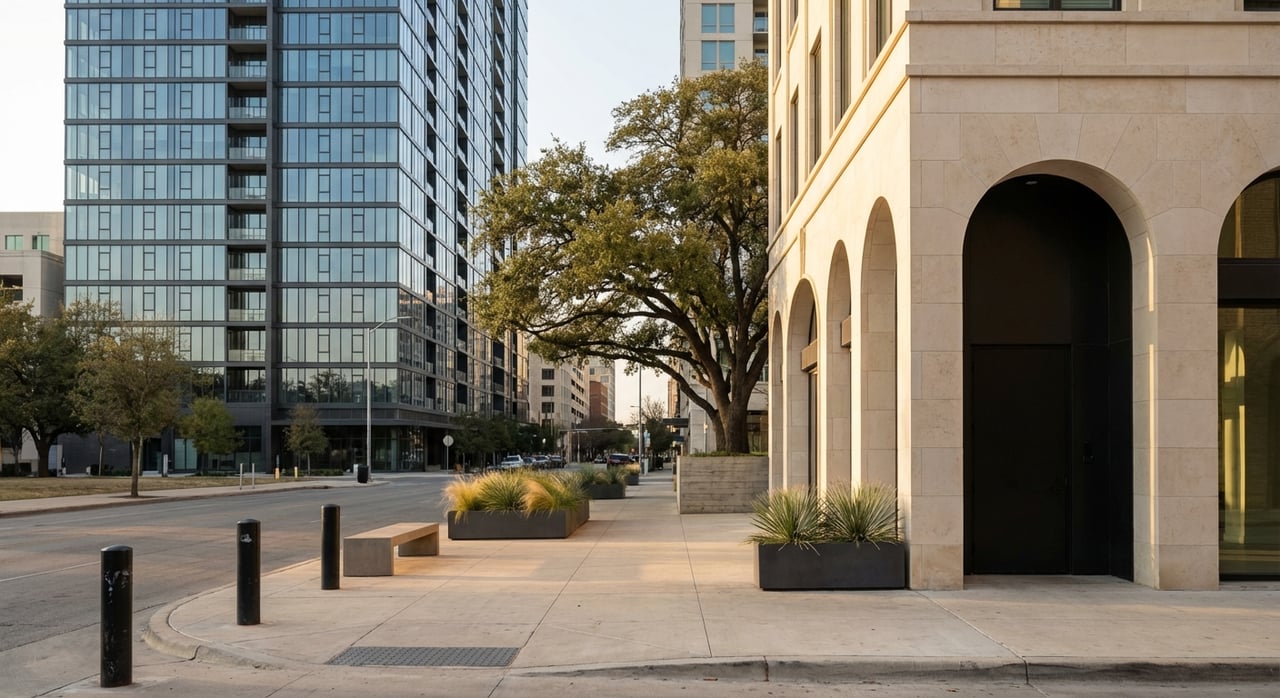
Torn between the charm of a historic bungalow and the ease of a modern townhome in Clarksville? You’re not alone. When you want a central Austin lifestyle, it can be hard to balance character, parking, yard space, and maintenance. This guide breaks down how each option lives day to day, what to check before you tour, and how to avoid surprises after you move in. Let’s dive in.
Clarksville living at a glance
Clarksville sits near downtown Austin with a mix of early- to mid‑20th‑century bungalows and newer infill townhomes. You’ll find front porches and mature trees on one block and sleek, multi‑story homes on the next. Many buyers here prioritize walkability, quick access to restaurants and culture, and an easy commute to the UT and medical districts.
Inventory moves differently across home types. Original bungalows on full lots tend to be scarce and may command premiums for land and character. Townhomes often appeal if you want newer systems, attached garage parking, and lower exterior upkeep. Review current neighborhood data through the Austin Board of Realtors’ market reports when you’re comparing options.
Bungalow vs townhome: what fits your life
Ownership and control
- Bungalow: You usually own the land and structure as fee‑simple property. That gives you freedom to modify within local rules, and you carry full responsibility for maintenance and taxes.
- Townhome: Ownership can be fee‑simple or under a condominium regime with shared elements. Most modern townhomes are part of an HOA. Review CC&Rs, rules, and reserve funds before you commit.
Parking and access
- Bungalow: On‑street parking and alley‑access garages are common. Check permit zones and guest parking rules on your block.
- Townhome: Many offer attached one or two‑car garages and dedicated driveways. Measure garage clearance for larger SUVs and confirm guest parking availability.
Outdoor space
- Bungalow: Expect a private yard, front porch, and often mature trees. If you value gardening, ground‑level play space, or entertaining outdoors, this is a strong fit.
- Townhome: Outdoor areas are usually balconies, small patios, roof decks, or shared courtyards. You get low‑maintenance living but less ground‑level yard.
Maintenance and monthly costs
- Bungalow: Older systems can mean higher upkeep. Roof, foundation, plumbing, electrical, HVAC, and windows may need updates. You control the timeline and the contractor.
- Townhome: Newer construction often brings energy efficiency and fewer near‑term repairs. The HOA may handle exterior maintenance and landscaping, funded by monthly dues. Ask for budgets and reserve studies to gauge future assessments.
Privacy and noise
- Bungalow: No shared walls, though central lots can be close to neighbors. Many older homes have single‑pane windows unless upgraded.
- Townhome: Shared walls and stacked levels can transmit sound. Quality builders design for noise reduction, but always listen for transfer during showings.
Stairs and accessibility
- Bungalow: Single‑story layouts often suit buyers planning to minimize stairs long term.
- Townhome: Multi‑level living is common, with bedrooms on upper floors. Elevators are rare in small communities, so consider how many flights you want daily.
Energy and systems
- Bungalow: Insulation and systems may be dated. Upgrades can improve comfort and lower bills but require investment.
- Townhome: Recent builds typically meet current code and include efficient windows, insulation, and HVAC. Explore local utility incentives through Austin Energy.
Room to grow
- Bungalow: You may be able to expand or add a guest unit, subject to zoning, lot coverage, and any historic overlay rules. Verify with the City before you plan.
- Townhome: Exterior changes and additions are usually restricted, and adding an ADU to an individual townhome lot is generally not feasible.
Resale factors
- Bungalow: Historic charm plus a private lot can be a strong draw. Resale depends on condition, quality of updates, and scarcity in your price range.
- Townhome: Turnkey finishes, garage parking, and low exterior maintenance attract many buyers. Resale can be influenced by your HOA’s health and the number of similar units nearby.
Quick decision guide
Choose a bungalow if you want:
- A private yard, porch life, and mature trees
- Fewer or no stairs and easier aging‑in‑place
- Ownership of land without HOA rules
- Historic character and original details
- Potential long‑term value tied to lot and location
Choose a modern townhome if you want:
- In‑unit garage parking and off‑street guest options
- Lower exterior maintenance and HOA‑managed landscaping
- Newer mechanicals, better efficiency, and modern layouts
- Multi‑level living with open‑concept spaces
- More predictable exterior costs through HOA budgeting
Neutral factors that depend on the specific property:
- Noise and privacy based on build quality and proximity
- Resale speed relative to neighborhood inventory and pricing
- Flexibility to add space, which varies by lot and zoning
What affects value and risk in Clarksville
Historic and zoning overlays can influence what you can change on the exterior of a bungalow and how quickly you can permit a project. Before you renovate or expand, check the City of Austin’s Development Services for permits and the Historic Preservation Office for design guidelines.
Property taxes and assessed values vary by parcel. Review the parcel record through the Travis County Appraisal District to confirm lot details and ownership history.
Flood risk is block‑specific in central Austin. Do not assume a central address is flood‑free. Review FEMA’s Flood Map Service Center for your target property and confirm insurance needs.
If you are evaluating a townhome, governance matters. In Texas, HOAs follow state statutes that define owner rights and association obligations. Read the rules and budgets carefully and review Chapter 209 of the Texas Property Code for HOA governance along with any condo documents if applicable.
For up‑to‑date neighborhood sales, supply, and pricing, consult the Austin Board of Realtors’ market data hub and discuss how trends differ between single‑family bungalows and townhomes in your budget.
On your tour: a practical checklist
Pre‑tour document requests
- Seller’s disclosure, prior inspection reports, and full MLS history
- For townhomes: CC&Rs, bylaws, rules, budgets, reserve study, meeting minutes, special assessments, and master insurance policy
- City of Austin permit history for remodels, additions, electrical and plumbing updates
- Survey, deed, and recorded easements or alley agreements
- Recent utility bills if available
Exterior and site
- Lot boundaries, orientation, and access to alley or garage
- Street parking rules, permit zones, and guest options
- Roof, gutters, siding or brick, paint, and visible foundation signs
- Drainage patterns and any evidence of pooling near the foundation
- Mature trees and proximity of roots to the house or sewer line
- Signs of prior water entry or grading that slopes toward the structure
- Ambient noise at different times, including traffic and nightlife
Interior systems and structure
- Age and type of HVAC and water heater; electrical panel size and wiring type
- Attic insulation levels and window type, single versus double pane
- Floor levelness and any signs of settling or movement
- Visible plumbing, signs of leaks, and any history of sewer repairs
- Pest or termite treatment history
- Moisture stains, musty odors, or visible mold
Townhome‑specific items
- Party‑wall construction and any shared maintenance obligations
- What the HOA versus the owner maintains on exterior elements
- Number of stairs and bedroom locations; elevator availability if any
- Noise transfer from adjacent units during normal activity
- Guest parking policies and enforcement
- Trash and recycling location and pickup procedures
Legal and long‑term checks
- Whether the property lies in a historic overlay that requires design review
- Floodplain status and insurance requirements
- Any outstanding liens, code violations, or HOA litigation
- Rental limits, pet policies, and use restrictions
Questions to ask
- For sellers: How long have you owned it, and what major repairs or renovations have been done? Are there any recurring issues?
- For the HOA: Current dues, reserve study date, planned assessments, insurance coverage, pet rules, rental limits, and landscaping or exterior responsibilities
- For both: Any boundary disputes, easements, or neighbor agreements affecting access or fences
Walkability and daily life
Walkability is one of Clarksville’s biggest draws. Many homes, whether bungalow or townhome, sit within an easy stroll of restaurants and services. For transit options and routes, explore CapMetro. If you want a quick sense of how a specific address scores for walking and biking, tools like Walk Score can help. Parking rules and guest permits vary block by block, so confirm local requirements before you host friends or plan regular street parking.
Next steps with a local advisor
Choosing between a bungalow and a townhome is about tradeoffs. You are balancing yard life versus garage convenience, design freedom versus HOA structure, and character versus turnkey efficiency. A local advisor can help you weigh these priorities, verify permit and HOA details, and negotiate for the right protections.
If you want a clear plan for your search, reach out to Kim Fodor. You’ll get boutique, hospitality‑driven guidance backed by modern tools and market insight, so you can buy confidently in Clarksville.
FAQs
What are the biggest cost differences between bungalows and townhomes in Clarksville?
- Older bungalows may require higher maintenance and capital projects, while townhomes often shift exterior costs to the HOA through monthly dues.
How do historic overlays affect bungalow renovations in Austin?
- Exterior changes may need design review and permits, so check the City’s Development Services and Historic Preservation guidelines before planning work.
Are modern townhomes quieter than bungalows?
- It depends on build quality and layout; shared walls can transmit sound, so test for noise and ask about construction details during tours.
Can I add a guest house or ADU in Clarksville?
- Possibly on bungalow lots, subject to zoning and lot coverage limits; individual townhome owners usually cannot add an ADU.
How should I evaluate an HOA before buying a townhome?
- Read CC&Rs and rules, review the budget and reserves, check assessment history, and confirm policies on rentals, pets, and parking.
What is the best way to check flood risk for a specific property?
- Review FEMA’s Flood Map Service Center and follow up with insurance guidance to confirm requirements and potential costs.