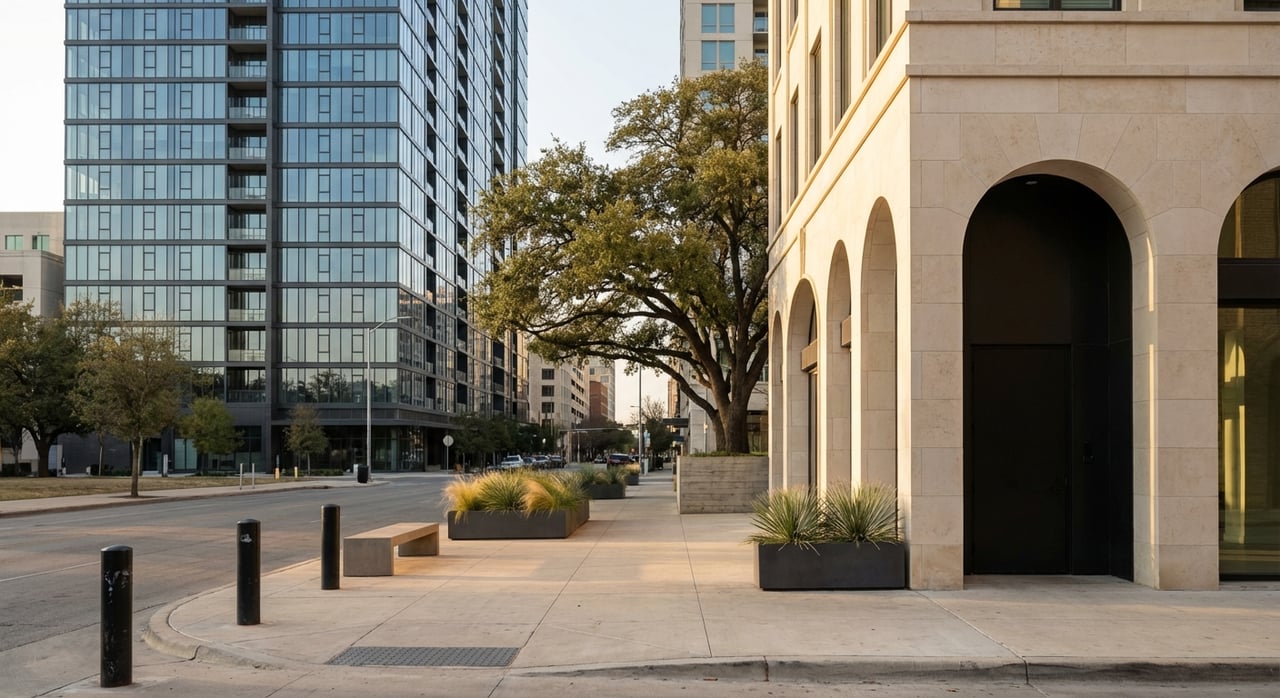
Choosing Downtown Austin Condo Living: High-Rise or Boutique
February 19, 2026
February 19, 2026
Is your ideal Downtown Austin condo a glassy high-rise in the sky or a quieter, boutique building closer to the street? You want walkability, views, and a home that fits your day-to-day life without surprise costs. In this guide, you will learn how high-rises and boutique condos differ on construction, noise, amenities, HOA dues, insurance, parking, flood risk, and financing. You will also get a simple checklist to compare buildings with confidence. Let’s dive in.
Downtown Austin blends office towers, Lady Bird Lake trail access, and several entertainment districts like Sixth Street and Rainey. That mix creates strong demand for walkable, amenity-rich condo living, along with pockets of weekend noise and event traffic to factor into your search. Representative towers, such as those profiled on building pages for The Austonian, show why high-rise living is so popular for convenience and views. You can scan a typical tower’s amenity scope on the Austonian building page.
Homeowners associations are standard for downtown condos, so you should plan for monthly dues that cover shared services, insurance, and reserves. Your due diligence on HOA health is just as important as your evaluation of the unit itself.
Use the sections below to decide which tradeoffs fit your lifestyle and budget.
High-rises in Austin often use concrete slab construction that naturally reduces everyday footfall and neighbor-to-neighbor sound transfer. Many boutique or mid-rise buildings use wood or hybrid framing, which can be well engineered but varies more in acoustic performance. Construction choices, floor assembly details, and acoustic underlayments all matter. Industry resources explain how mass and assembly design affect sound, as covered by WoodWorks’ guidance on hybrid floor systems.
Practical tips:
High-rises often feel like private clubs with multiple lounges, a full fitness center, a pool or two, guest suites, and concierge support. This is a big driver of convenience and social life, along with a big share of monthly dues. You can see examples of tower amenities that set the tone for downtown living on The Austonian’s amenity overview and on other tower pages.
Boutique buildings lean intentionally simple, which helps keep operating costs down and common areas quieter. If you prioritize a more intimate community over resort-style spaces and services, this path can be a great fit.
Your HOA dues cover core operations, master insurance, common utilities, staff and security, amenity upkeep, and reserve contributions for long-term repairs. In Downtown Austin, figures vary widely, from a few hundred dollars per month to well over $1,000 per month depending on the building and service level. Larger towers with staffed services usually sit toward the higher end.
Two things matter most for financial health:
The Community Associations Institute recommends routine reserve studies and strong disclosure around funding. Use CAI’s standards as your benchmark when you review documents like budgets and reserve reports. You can reference the CAI reserve study guidance to frame your questions.
If you see missing or very old reserve studies, repeated large assessments, or big unresolved repair projects, escalate with your agent and consider professional review.
Texas law requires condominium associations to carry property insurance for insurable common elements and general liability, but the master policy will not cover your personal property and may not cover interior improvements. Owners typically carry an HO-6 policy to fill those gaps. Before you finalize an offer, confirm the policy type, limits, and deductible so you can align your HO-6 and loss assessment coverage. You can review the insurance framework in Texas Property Code Section 82.111.
Parking varies building to building. Many high-rises include structured, assigned or deeded spaces, sometimes with valet for convenience. Boutique buildings may have fewer covered spaces and rely more on assigned parking or nearby garages, with guest parking limits. As an example of how a tower outlines parking and services, see the Seaholm Residences amenities page.
Key questions to ask:
Downtown districts host outdoor music and nightlife, which can affect evening and weekend sound near certain buildings. The City of Austin issues Outdoor Music Venue permits with location-specific hours and decibel limits. To judge noise risk, map the building and check which venues nearby have permits and what the rules allow. Use the city’s Outdoor Music Venue permit page to research a specific block before you write an offer.
Some downtown parcels sit near creeks or along Lady Bird Lake. Lenders and insurers may require flood details for certain locations, and the city has updated local floodplain mapping in recent years. For clarity on a specific address, review FEMA’s Flood Map Service Center and the City of Austin’s FloodPro resources. Start with the FEMA Flood Map Service Center and the city’s Floodplain maps and infrastructure page.
Some loan programs require condo project approval or impose limits on investor ratios, delinquencies, and reserve adequacy. If a building does not meet program rules, your financing options may narrow or require extra steps. Upfront confirmation of project eligibility helps you avoid surprises and supports future resale. For a sense of what lenders review, see HUD’s project approval materials summarized on OMB’s FHA documentation page.
Choose a high-rise if you want turnkey convenience, staffed services like concierge, sky-high views, and calendar-ready amenities. Expect higher monthly dues that reflect those benefits and a lifestyle that feels hotel-like.
Choose a boutique or mid-rise if you value a smaller community, simpler shared spaces, and lower routine dues. You accept the tradeoff of fewer services and a smaller owner base that may face higher-impact assessments if reserves run thin.
Whether your shortlist leans toward a sky-high tower or a quieter boutique building, a clear plan will help you buy with confidence. If you want a curated tour of both options, help reviewing HOA and insurance documents, and strategic guidance on noise, flood, and financing fit, connect with Kim Fodor for a thoughtful, high-touch path to your ideal downtown home.
Stay up to date on the latest real estate trends.

Get assistance in determining the current property value, crafting a competitive offer, writing and negotiating a contract, and much more. Contact me today.