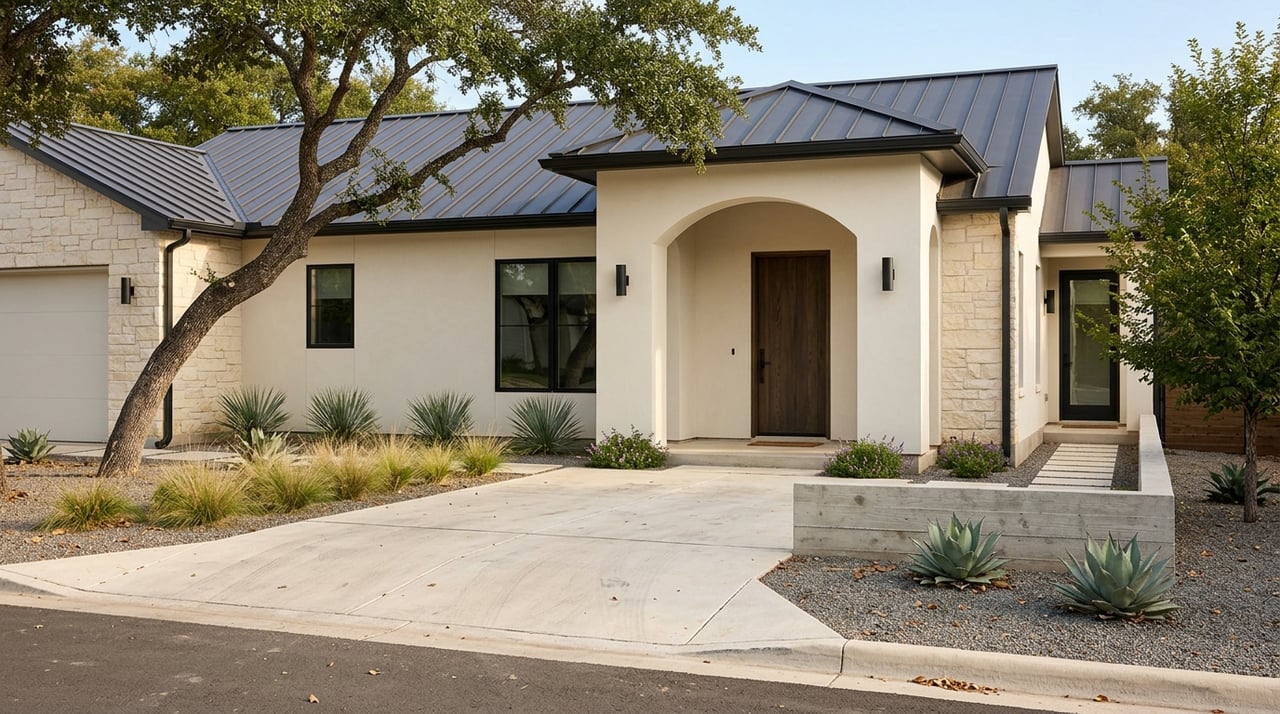
Is a Northwest Hills Investment Property Right for You?
April 2, 2026
April 2, 2026
If you are thinking about buying an investment property in Austin, Northwest Hills likely shows up on your shortlist for one big reason: it feels more stable than many parts of the city. In a market where rents have softened and buyers are watching costs more closely, stability matters. The real question is not whether Northwest Hills is popular, but whether it fits your investment goals. This guide will help you weigh pricing, rental demand, housing stock, and long-term hold potential so you can decide with more confidence. Let’s dive in.
Northwest Hills sits in Austin’s Council District 10, in northwest Austin west of MoPac. That location places it in an established part of the city with mature housing, convenient arterial access, and a mix of detached and attached homes.
According to Redfin’s Northwest Hills market data, the neighborhood had a median sale price of $637,500 in February 2026, with 79 median days on market and a 95.2% sale-to-list ratio. Redfin also described the area as somewhat competitive, with some homes receiving multiple offers.
Those numbers look stronger than the broader Austin market in a few key ways. Redfin’s Austin housing market page showed a $522,500 median sale price and 98 days on market in February 2026, while a separate Redfin market report noted Austin was the slowest housing market among the 50 largest metros in December 2025.
Northwest Hills stands out less for high short-term yield and more for durable demand. In softer markets, many investors shift toward areas where resale flexibility and tenant appeal can help protect long-term value.
That is where Northwest Hills has an edge. It has established housing, a range of property types, and buyer appeal that does not depend on brand-new inventory or speculative momentum.
Another reason investors pay attention here is that the neighborhood is not a one-product market. You are not limited to one investment style, which gives you more ways to match property type to budget and strategy.
ZIP-level housing data shows that Northwest Hills functions as a mature, mixed-housing submarket rather than a single-style neighborhood. In 78731, there were 14,029 housing units, including 6,878 detached single-family homes, 1,104 attached units, and 2,970 units in 20+ unit structures.
In 78759, there were 22,796 housing units, including 9,680 detached homes, 1,544 attached units, and 4,510 units in 20+ unit buildings. Most of the housing stock in these ZIP codes was built from the 1970s through the 1990s, with some older inventory dating back to the 1950s and 1960s.
That matters because older housing often creates both opportunity and cost. You may find renovation upside, but you also need to budget for systems, roofing, insurance, landscaping, and ongoing maintenance.
Travis CAD’s reappraisal plan also references Northwest Hills-related condo and townhome market areas. For investors, that supports the idea that attached options are a real part of the inventory, not an afterthought.
For most buyers, Northwest Hills presents two practical investment paths.
Detached homes usually offer stronger alignment with the area’s overall character. They may appeal to tenants looking for more space, parking, and privacy, and they can provide better resale flexibility if you later decide to sell to an owner-occupant.
The tradeoff is entry cost. With premium pricing and older housing stock, detached homes can require more capital up front and more reserve planning over time.
Condos and townhomes may offer a more accessible way into the area. If your priority is lowering acquisition cost and simplifying exterior maintenance, attached housing can be worth a close look.
That said, the economics are different. You will want to weigh HOA costs, property condition, and resale demand carefully, since these factors can change your net return more than the purchase price alone.
When you evaluate an investment area, rentability matters just as much as purchase price. Northwest Hills shows several signs of steady rental appeal, especially for well-maintained homes that match what local tenants tend to value.
One clear signal is school-related demand. Redfin’s Northwest Hills page shows Gullett Elementary and Doss Elementary ratings on GreatSchools, which helps explain why the area continues to attract both end users and renters.
Beyond that, Northwest Hills appears to function as a car-oriented submarket. A nearby Northwest Hills-Far West Redfin page lists a Walk Score of 25, Transit Score of 18, and Bike Score of 21.
That means tenants may place more value on practical features such as:
In other words, the property itself often carries more weight than a highly walkable setting.
Before you buy in Northwest Hills, you also need to zoom out and look at Austin’s current rent environment. Citywide rent conditions affect how aggressive you can be with your underwriting.
The U.S. Census Bureau QuickFacts for Austin puts the city’s median gross rent at $1,729 and median value of owner-occupied homes at $555,300. For Travis County, the corresponding figures were $1,744 in median gross rent and $523,000 in median home value.
At the same time, Zillow reported in January 2026 that Austin’s typical asking rent was $1,561, down 2.6% year over year, and that 62.9% of rental listings offered concessions. Zillow also noted that single-family rents nationally were rising faster than apartment rents, which is relevant in Northwest Hills because single-family homes are often the better fit for the area.
This is why Northwest Hills does not read like a high-cash-flow market at today’s pricing. If you buy here, your strategy is more likely centered on quality tenants, stable occupancy, and long-term equity growth.
Every investment area has friction points, and Northwest Hills is no exception. Stronger demand does not cancel out operating risk.
Redfin and First Street flag Northwest Hills with moderate flood risk, moderate wildfire risk, severe wind risk, and severe heat risk. Those conditions do not automatically make a property a poor investment, but they do mean you should underwrite insurance, roof life, tree management, drainage, and HVAC replacement with care.
Property taxes also matter in a hold strategy. Travis CAD’s homestead guidance notes that a homestead exemption requires that you own and reside in the property, so a pure rental conversion generally loses that benefit.
For many investors, these costs are the difference between a property that looks good on paper and one that actually performs. That is especially true in a neighborhood with older homes and premium purchase prices.
For the right buyer, yes, but probably not for the reason many people expect. Northwest Hills looks strongest as a long-hold, quality-tenant, equity-growth play rather than a market for chasing maximum near-term cash flow.
If your goal is to buy in an established Austin area with a mix of inventory, steady buyer appeal, and good long-term resale flexibility, Northwest Hills deserves a close look. If your goal is the highest possible immediate yield, the deal math may feel tighter here because of price point, softer rents, tax exposure, and climate-related carrying costs.
The smartest move is to evaluate each property by type, condition, reserve needs, and likely tenant profile instead of relying on neighborhood reputation alone. In Northwest Hills, execution matters.
If you want help comparing Northwest Hills opportunities against your budget and hold strategy, Kim Fodor can help you assess property type, resale flexibility, and negotiation position with a clear, local perspective.
Stay up to date on the latest real estate trends.
Get assistance in determining the current property value, crafting a competitive offer, writing and negotiating a contract, and much more. Contact me today.