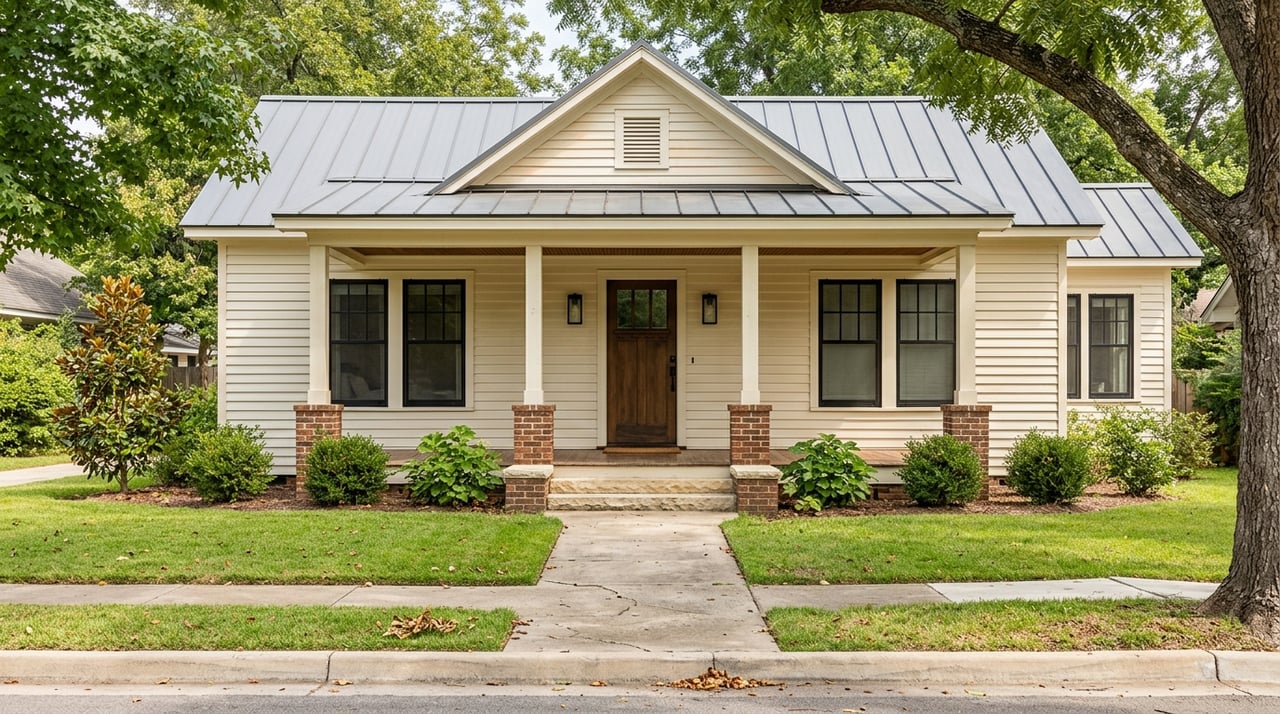
Living in Clarksville Texas: Historic Charm and Daily Life
May 21, 2026
May 21, 2026
Looking for a Texas town where history feels like part of daily life, not just something you read on a plaque? Clarksville offers that rare mix of preserved character, walkable downtown landmarks, and a steady small-town rhythm. If you are curious about what it might feel like to live in or explore Clarksville, this guide will help you understand its historic roots, housing character, local amenities, and everyday pace. Let’s dive in.
Clarksville is the county seat of Red River County in northeast Texas, with local histories tracing its founding to 1833 by James Clark. Preservation sources describe it as one of Texas’s oldest communities, later incorporated in the late 1830s during the Texas Republic era. That long history still shapes the city today.
What makes Clarksville especially memorable is how much of that identity centers on the courthouse square. The city says it became a Main Street City in 2003 and a Preserve America Community in 2004. Preservation work in downtown has included brick-roadway and streetscape improvements that help the square feel both historic and active.
The courthouse square is the heart of Clarksville’s historic character. One of its main anchors is the Red River County Courthouse, built in 1885 and restored in the early 2000s. According to the Texas Historical Commission, it is the only intact representative of architect W. H. Wilson’s work.
Around the square, you will also find the Old Jail Museum, the Red River County Historical Society, and several landmark churches and homes within walking distance of downtown. That layout gives Clarksville a compact, easy-to-experience feel. Instead of driving from one attraction to another, you can take in much of the area on foot.
The city’s preservation efforts also add to the everyday atmosphere. Clarksville points to new sidewalks, curbs, period lighting, street furniture, grassy areas, and landscaping as part of its downtown improvements. These details help the area feel cared for in a practical, lived-in way.
Clarksville’s square is not just a historic backdrop. It also supports day-to-day activity through local shops, offices, and dining. The city describes a mix of antiques, gifts, collectibles, art, insurance and finance offices, clothing, and local restaurants around downtown.
If you spend time on the square, you can easily picture a simple afternoon there. You might browse shops, stop for a meal, and then walk past some of the city’s best-known historic sites. The city specifically names the Italian Bistro, Coleman’s, and Cheyenne’s BBQUE among local dining options.
If you are drawn to architecture and older homes, Clarksville has a distinct identity. Local heritage sources describe the DeMorse House as the oldest home in Clarksville, built in 1833 as a small log cabin and later expanded by Charles DeMorse. Other notable examples include the Lennox House, dating to 1897 in a Queen Anne Victorian style, and Miss Belle’s House, built in the 1870s in a Gothic Revival style.
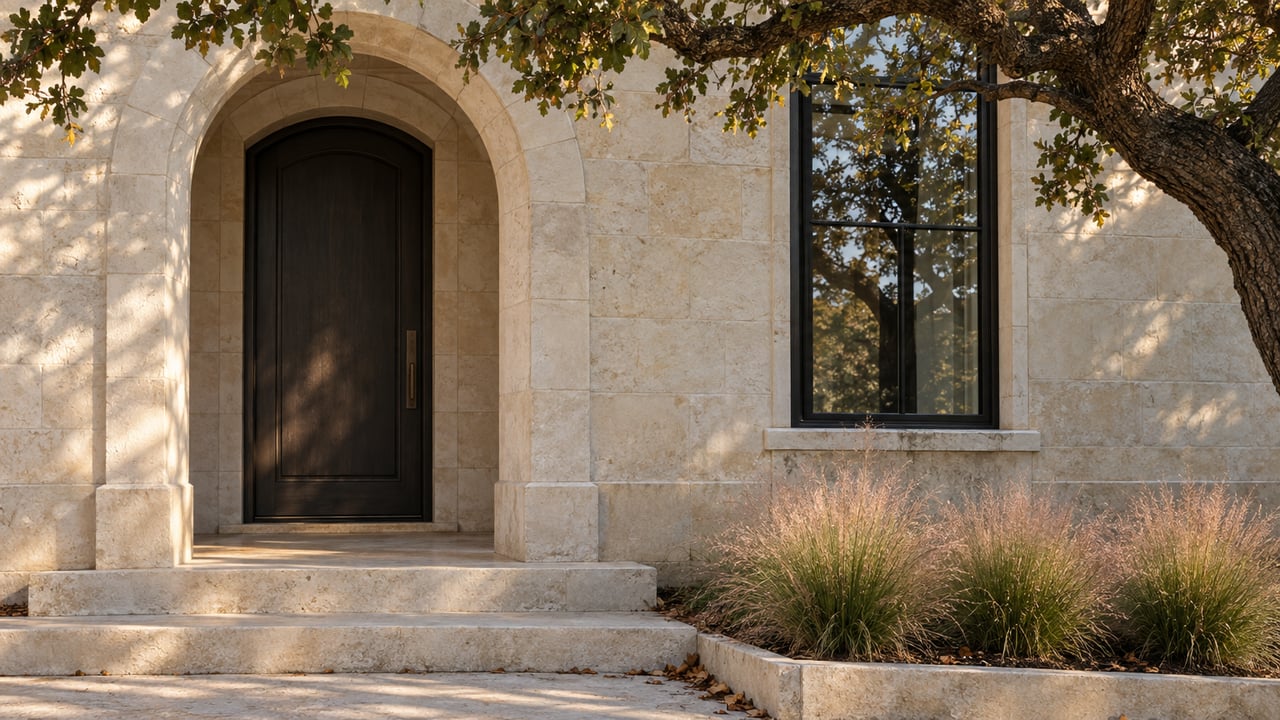
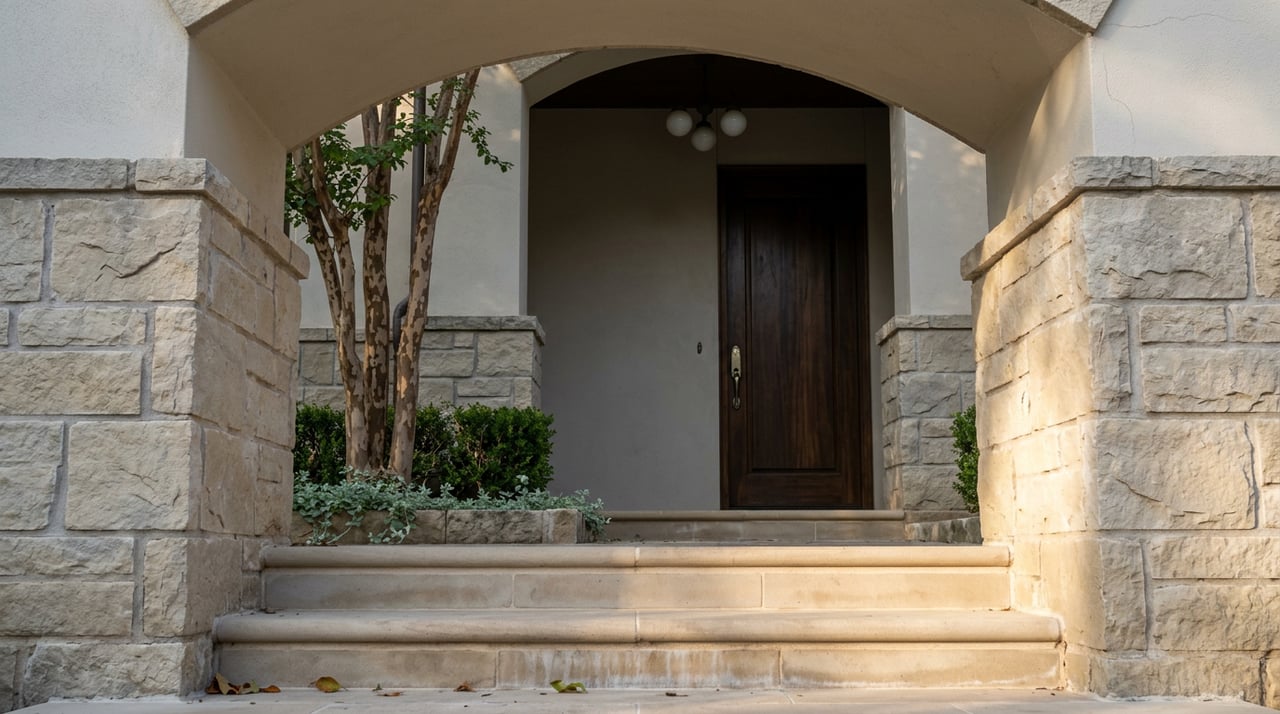
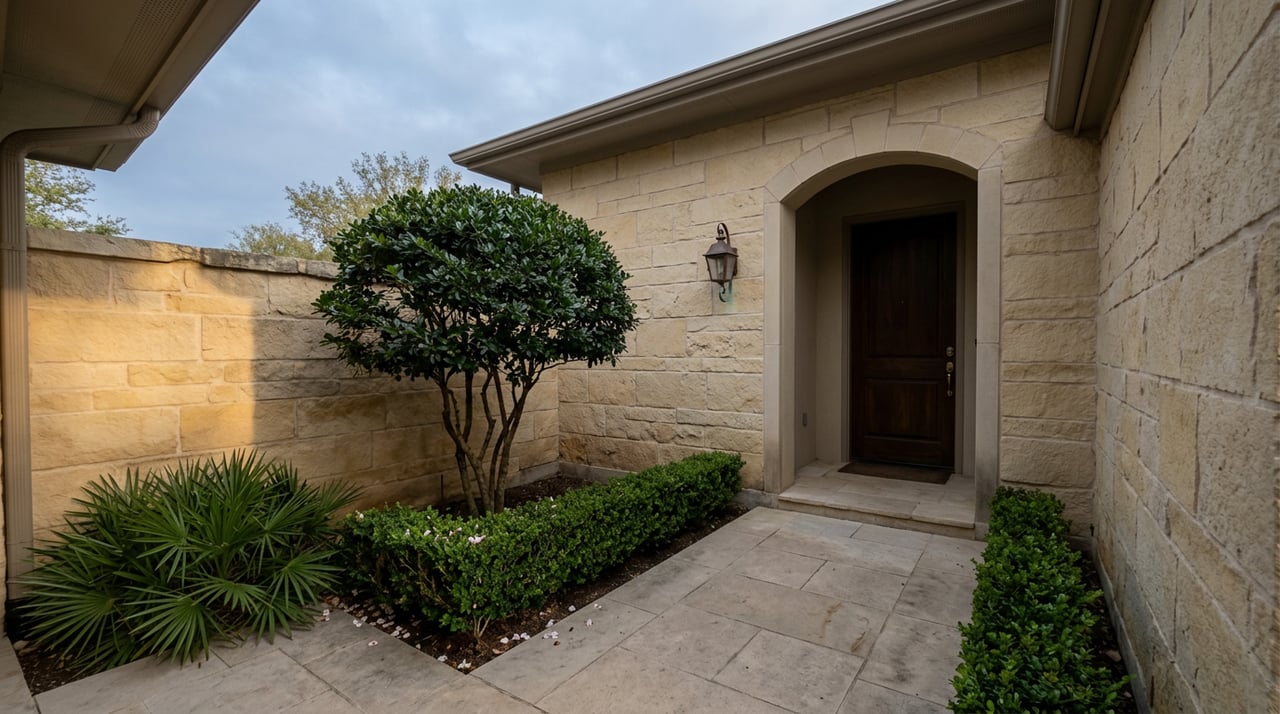
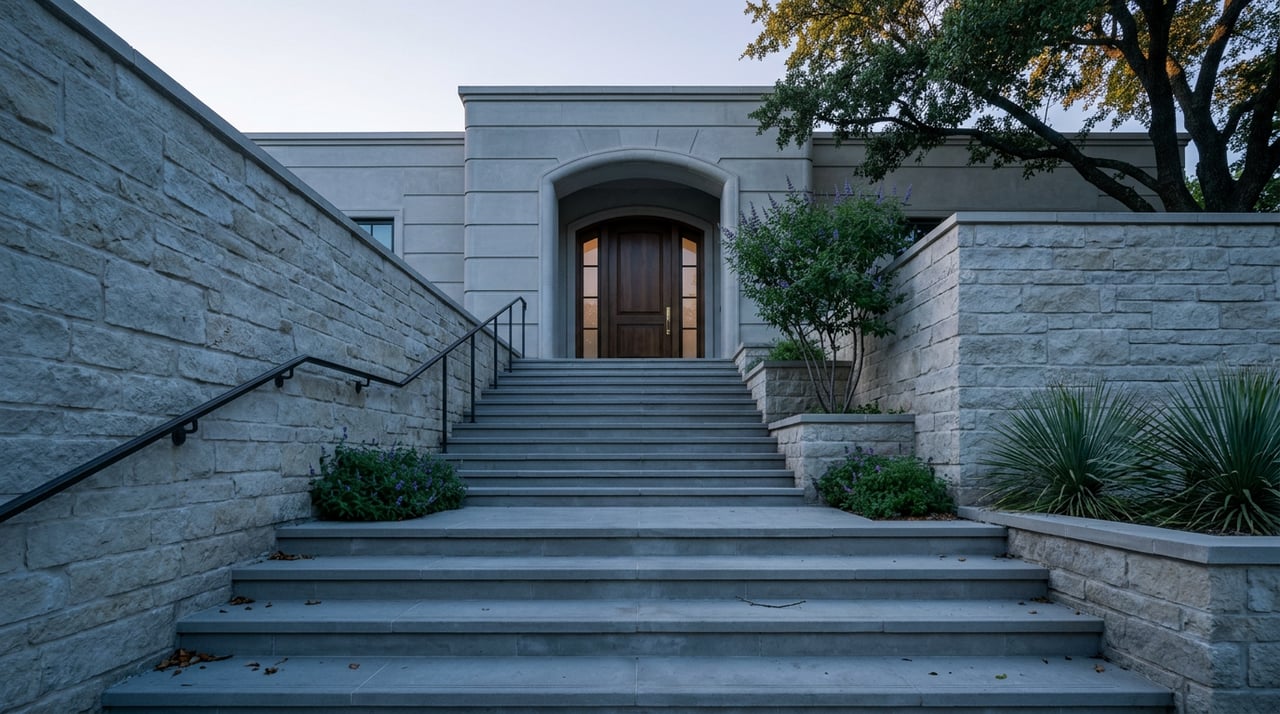
These landmarks help explain the city’s housing character. In Clarksville, the most distinctive homes tend to lean historic rather than suburban in style. For buyers, that can mean more architectural variety, more visible ties to the past, and a streetscape shaped by preservation rather than uniform development patterns.
Clarksville’s downtown preservation rules reinforce that historic look. The Central Business District reviews substantial exterior changes, and the city offers façade grants and low-interest loans. Those tools support upkeep and improvements while helping maintain the area’s visual identity.
If you are considering property near the historic core, this matters. It suggests that appearance and preservation are active parts of the city’s planning approach. In practical terms, that can help downtown keep the consistent character that draws many people to Clarksville in the first place.
Historic appeal matters, but daily life also comes down to basic services and convenience. Clarksville highlights a free public library serving Red River County, an industrial park, hospital and healthcare facilities, schools, churches, a small airport, and civic organizations. Together, these amenities support the city’s day-to-day function as a county seat.
That civic role gives Clarksville a practical side beyond its historic image. You are not just looking at preserved buildings or seasonal attractions. You are looking at a town with core services and institutions that support regular routines.
One of the more appealing things about Clarksville is that local care appears visible in the streetscape. PRIDE works with the city, chamber, historical society, and Main Street program on beautification projects such as downtown lighting, planters, crepe myrtles, and the Delaware Creek Walk. That kind of community effort helps explain why the downtown area feels maintained instead of frozen in time.
For someone considering life in Clarksville, these details can shape how a place feels day to day. Clean walkways, landscaping, lighting, and maintained public areas all contribute to a stronger sense of place. In a small town, those touches can make a meaningful difference.
Clarksville also uses local events to reinforce community identity. The city lists Clarksville’s Fine Art Festival, the Gateway to Texas Get-A-Way Tour, Tandum Bike Ride, Music on Main, the Red River County Historical Society’s Fall Bazaar, National Day of Prayer, and Relay for Life among gatherings that bring people downtown.
These events add rhythm to the year and create more reasons to spend time on the square. They also show that Clarksville’s historic center is part of local life, not just a preserved district to look at from a distance. For residents and visitors alike, that kind of regular activity can make the town feel more connected and welcoming.
Clarksville’s outdoor appeal blends heritage and nature in a way that feels true to the town. PRIDE’s Historic Creek Walk follows Delaware Creek and links historic sites, including First Presbyterian Church, founded in 1833. City materials describe it as the oldest Protestant congregation in continuous service in Texas.
The walk also includes the single-lane T.P. Lake Bridge, which adds another layer of local character. Instead of separating outdoor space from historic space, Clarksville combines the two. That creates a more relaxed, low-key experience for people who enjoy walking and exploring.
For additional outdoor time, the city points to the Langford Lake Nature Trail at City Lake for fishing, picnicking, and easy recreation. This gives residents and visitors a simple option for stepping outside without needing a full-day plan.
Farther out, the city promotes the Martha Lennox Nature Preserve, and the chamber highlights Lennox Woods Preserve, a 275-acre old-growth preserve about 10 miles north of Clarksville that is open during daylight hours. These nearby spaces add to the area’s appeal for people who value quiet outdoor access alongside small-town living.
Taken together, Clarksville reads as a place where history is folded into the normal routine. You can spend time on a restored square, pass landmark homes, eat at local restaurants, walk a heritage trail, and still handle the basics of daily life close to home. That mix gives the city a personality that feels grounded and specific.
For buyers who appreciate older homes, a traditional courthouse square, and a slower pace with civic infrastructure in place, Clarksville offers a setting that stands apart from more standardized communities. Its appeal is less about newness and more about continuity, character, and a downtown that still matters.
If you are considering a move in Texas and want guidance that is thoughtful, responsive, and tailored to your goals, Kim Fodor offers a high-touch approach backed by strong market knowledge and professional real estate strategy.
Stay up to date on the latest real estate trends.
Get assistance in determining the current property value, crafting a competitive offer, writing and negotiating a contract, and much more. Contact me today.