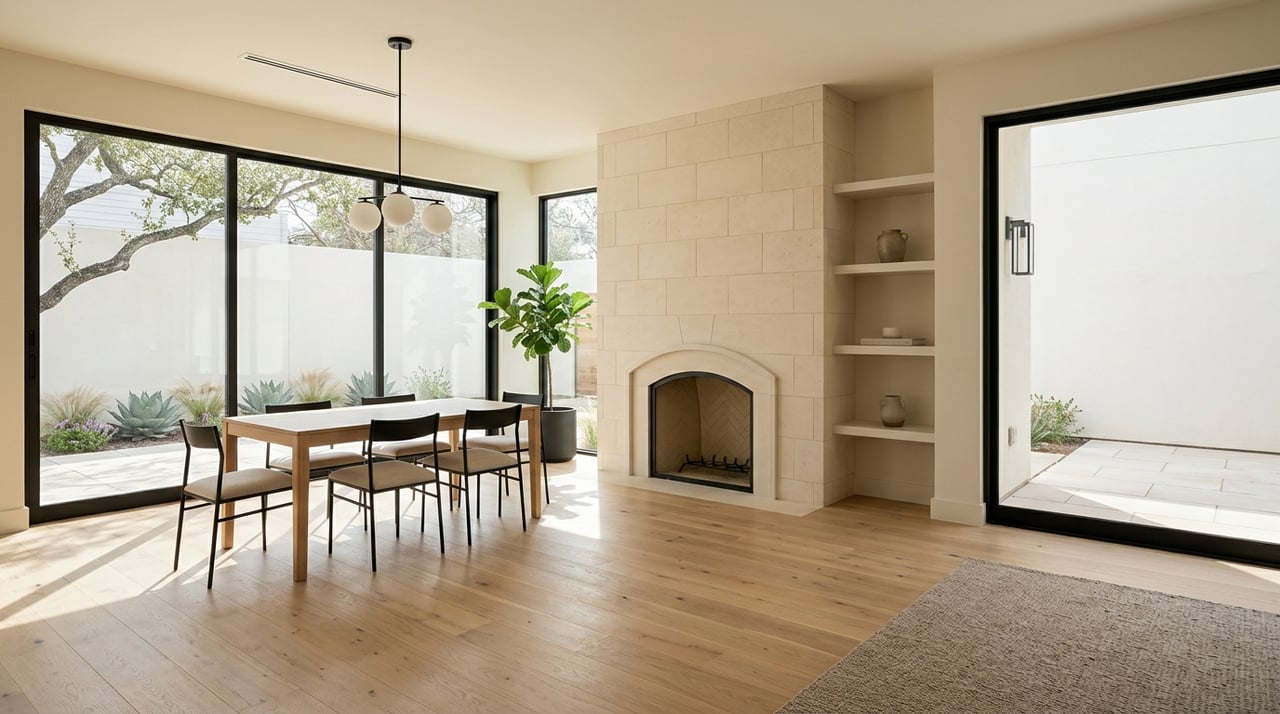
Winning In Multiple Offers In Zilker And Travis Heights
April 16, 2026
April 16, 2026
If you are trying to buy in Zilker or Travis Heights, you may be wondering whether every desirable home is headed for a bidding war. The good news is that these neighborhoods are not uniformly frenzied right now, but strong listings can still attract fast attention and multiple offers. If you understand how those situations unfold and prepare before the right home appears, you can compete with confidence without giving up protections you may still need. Let’s dive in.
Zilker and Travis Heights remain two of central Austin’s most sought-after areas because of their proximity to places like Zilker Park, Barton Springs, downtown, and South Congress, as noted in this overview of Austin neighborhoods. That lifestyle appeal helps certain homes stand out, even in a market that is no longer moving at pandemic speed.
At the broader market level, February 2026 data from the Central Texas Housing Report shows a more balanced environment. The City of Austin reported a $540,000 median sale price, 6.2 months of inventory, and a 92.1% average close-to-list ratio. Travis County reported a $489,900 median sale price, 6.6 months of inventory, and a 91.9% average close-to-list ratio.
Local neighborhood numbers tell an even more useful story. According to Redfin’s Zilker housing market snapshot, Zilker was somewhat competitive in February 2026, with a median sale price of $1,037,500, 107 days on market, and a 97.8% sale-to-list ratio. Travis Heights was cooler on average, with a median sale price of $805,000, around 120 days on market, and homes averaging about 5% below list.
The takeaway is simple: multiple offers still happen, but they are not automatic on every listing. In these neighborhoods, the homes that are well-priced, well-presented, or especially well-located are the ones most likely to create competition.
In a balanced market, buyers tend to be selective. That means the homes that feel turnkey, distinctive, or correctly priced can pull in attention quickly while other listings sit longer.
This is especially true in lifestyle-driven central Austin neighborhoods. If a home checks the boxes buyers care about most, such as location, layout, condition, and timing, you may still find yourself competing even when the average market stats look calmer.
That is why your strategy matters so much. Winning in a multiple-offer situation today is usually less about making the most aggressive promise and more about making the seller feel confident your offer will actually close.
If you are new to the process, it helps to know that sellers in Texas are allowed to review several offers at the same time. The Texas Real Estate Commission says a listing agent must present offers in a timely manner, and a seller may receive, review, and negotiate multiple offers simultaneously.
That means there is no rule requiring a seller to work with offers one at a time. If a home in Zilker or Travis Heights gets attention right away, the seller may compare terms, timing, financing strength, and overall certainty before choosing a direction.
It also helps to know that there is no automatic three-day or 72-hour cooling-off period after a contract is accepted. TREC explains that your right to terminate comes from the contract terms you negotiated, including the option period if one is included, as outlined in its guidance on the Texas option period.
Price matters, but it is rarely the only factor. In many cases, the strongest offer is the one that lowers uncertainty for the seller.
That often starts with financing. The Consumer Financial Protection Bureau recommends meeting with multiple lenders, requesting multiple Loan Estimates, and getting a preapproval letter before or while shopping. A strong preapproval helps show that you are serious, qualified, and prepared to move.
Beyond that, sellers tend to respond well when your offer is clean and realistic. That can include clear proof that funds are ready for earnest money and closing costs, practical contract timelines, and terms that do not create unnecessary friction.
In Texas, many competitive offers still include protections. Texas REALTORS reported that 59% of respondents’ most recent successful sales attracted multiple offers, yet 93% of those sales still involved concessions of some kind, including price reductions, repairs, home warranties, or closing-cost help, according to this 2025 Texas market update. That is a helpful reminder that even when there is competition, negotiation is still part of the process.
One of the most important buyer protections in Texas is the option period. TREC explains that if you pay the agreed option fee, you get the unrestricted right to terminate for any reason during that negotiated window, which gives you time to inspect the property and negotiate repairs if needed through the option period process.
In a multiple-offer setting, the goal is not necessarily to remove the option period. Instead, it is often smarter to keep it focused and workable. A shorter, well-planned option period can signal seriousness while still giving you time to do your due diligence.
You also need to be ready to meet the deadlines. TREC says the option fee is typically due to the title company within three days after the effective date, and earnest money is generally due by the close of business of the second working day after execution unless the contract says otherwise. Missing those deadlines can weaken your protections.
If you are financing your purchase, appraisal matters. TREC explains in its consumer information resources that the lender wants assurance the property is sufficient collateral and worth the amount being financed.
That means a higher offer does not automatically solve everything. If the home appraises below your contract price, you may need to renegotiate, bring in additional cash, or revisit the structure of the deal depending on your financing and contract terms.
Before you submit an aggressive offer, decide how much appraisal risk you are truly comfortable taking. In higher-priced central Austin neighborhoods, even a modest pricing gap can affect your cash exposure.
When buyers feel pressure, it can be tempting to reach for tools that sound aggressive but create legal or financial issues. One example is the escalation clause.
TREC specifically warns that a license holder cannot draft language that defines or affects the rights, obligations, or remedies of the parties, and that drafting an escalation clause is considered unauthorized practice of law. If you want escalation language, TREC says you should consult an attorney, as explained in its guidance on escalation clauses.
This is another reason preparation matters. A well-structured offer with clear numbers and realistic terms is often more effective than trying to improvise under pressure.
If you want to be ready when the right home hits the market, focus on the basics first.
In neighborhoods like Zilker and Travis Heights, that kind of preparation can make a real difference. It helps you move quickly, stay calm, and make decisions based on facts instead of pressure.
The buyers who succeed in multiple-offer situations are often the ones who are ready early, understand the contract, and know where they can be flexible. They are not necessarily the ones who waive every protection or stretch beyond their comfort zone.
That is especially true in today’s market. With inventory and negotiation patterns looking more balanced than they did a few years ago, you may have room to stay competitive while still protecting your finances and your peace of mind.
If you are planning a move in central Austin, the right guidance can help you act decisively when a standout property appears. When you are ready to build a smart offer strategy for Zilker or Travis Heights, connect with Kim Fodor for thoughtful, high-touch guidance backed by deep Austin market knowledge.
Stay up to date on the latest real estate trends.


Get assistance in determining the current property value, crafting a competitive offer, writing and negotiating a contract, and much more. Contact me today.