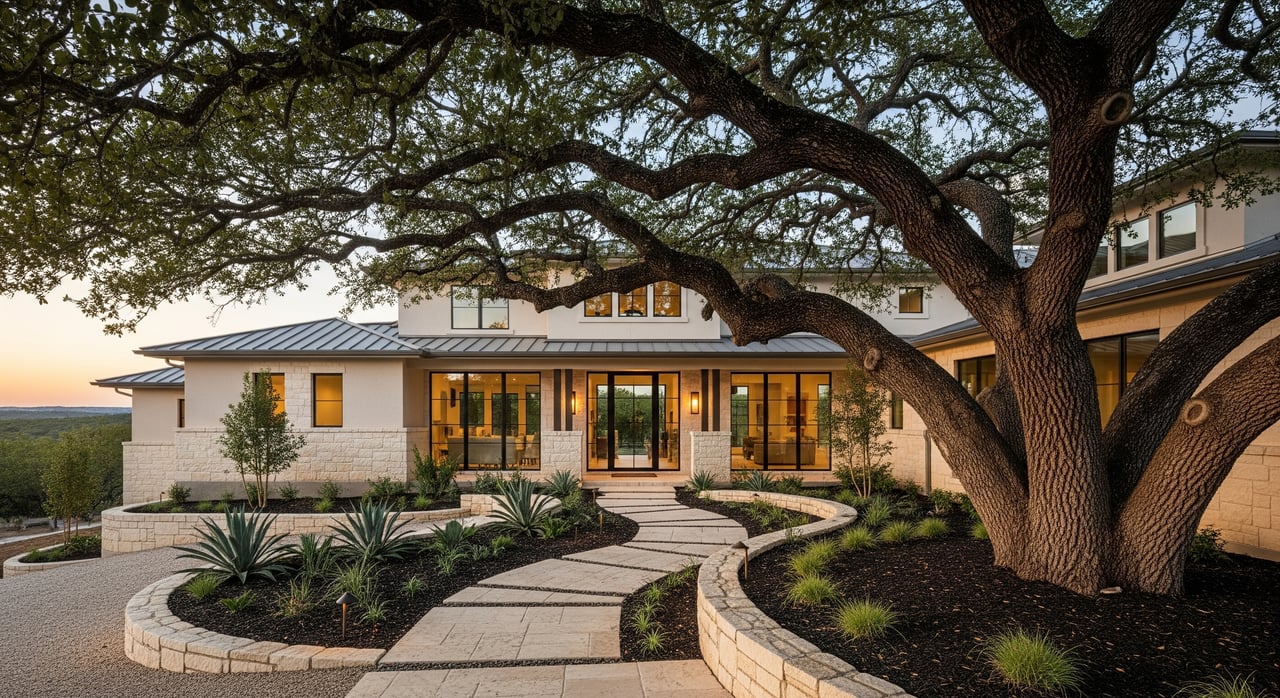
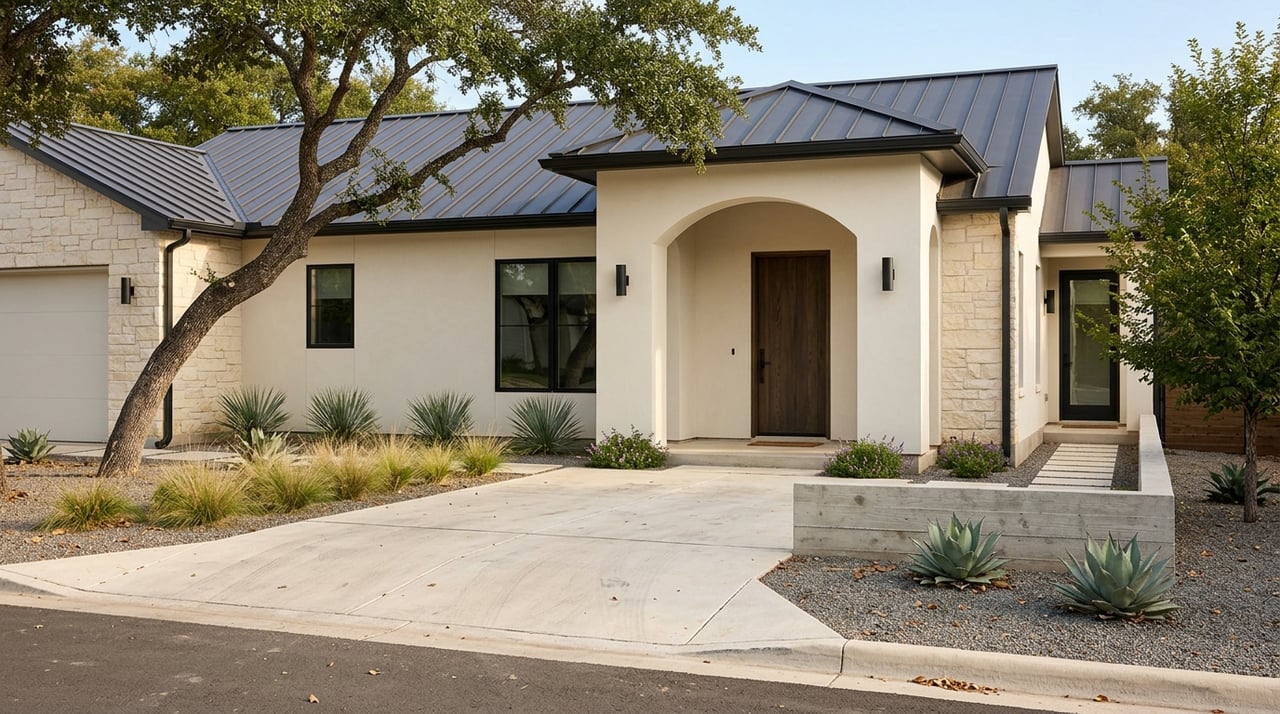
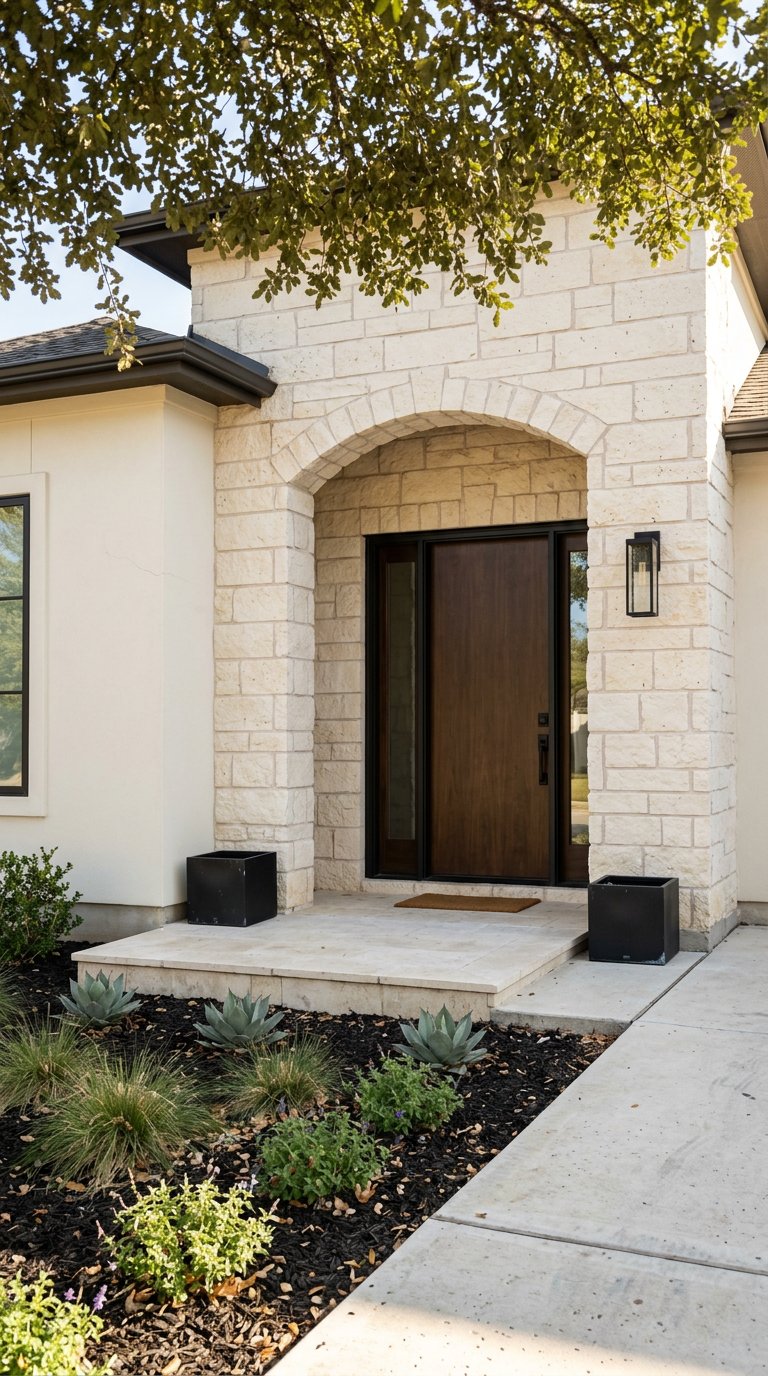
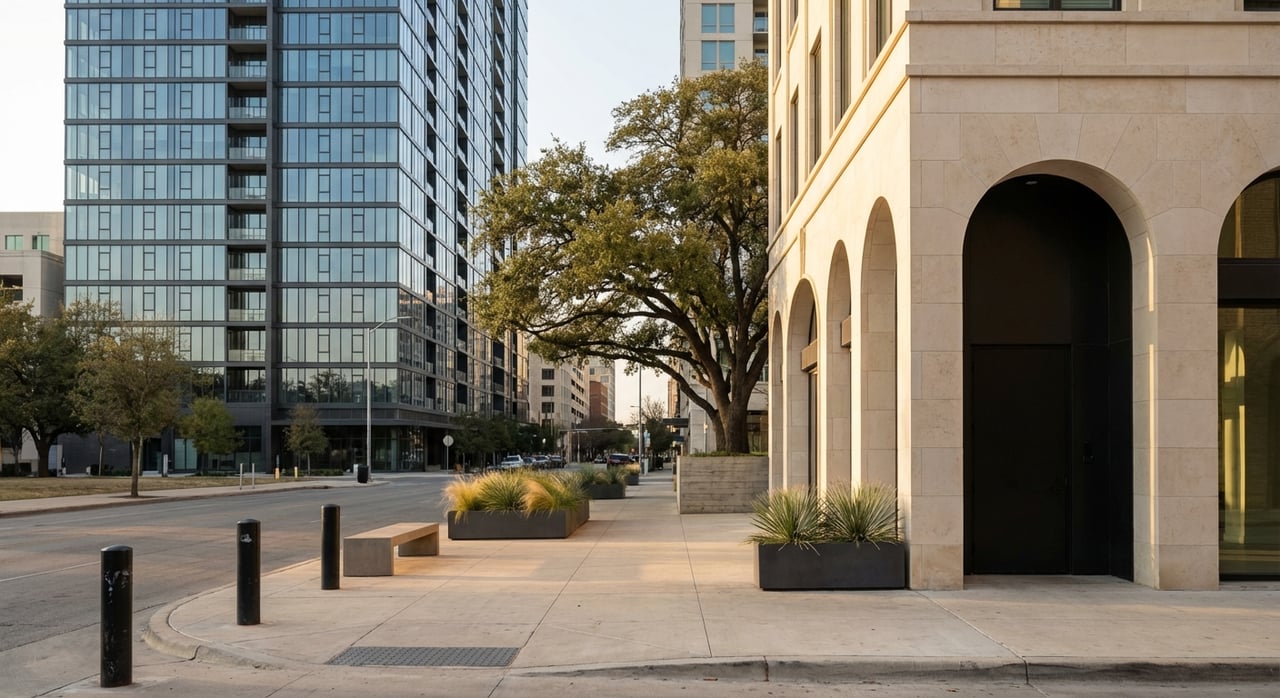
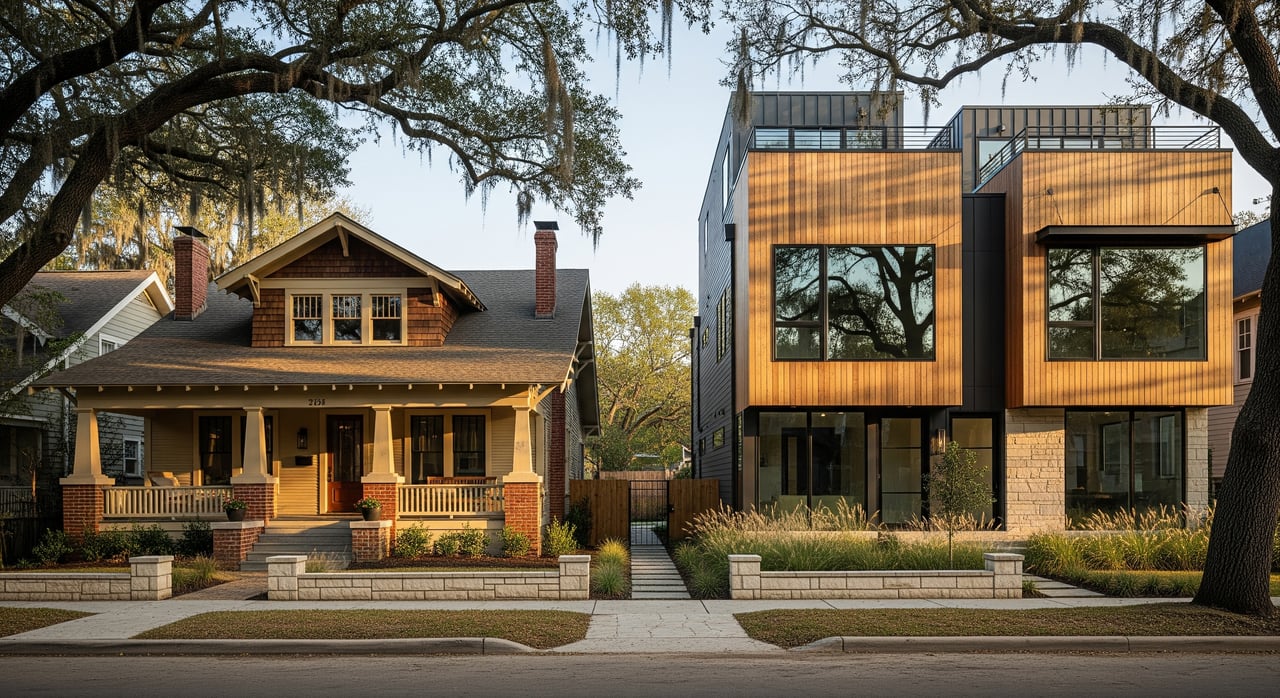
If you are planning pre-list updates outside your home, trees can either elevate curb appeal or slow your launch. In Austin, the city’s tree rules can affect pruning, removals, and even where crews can place equipment. You want a smooth, on-time listing with stunning photos and zero surprises. In this guide, you’ll learn how Austin’s tree permit framework works, what triggers a permit, what to ask an arborist, and how to time everything so your listing goes live on schedule. Let’s dive in.
Why tree rules matter before you list
Austin’s tree protection framework can regulate pruning, removals, root work, and construction near mature trees on private property inside city limits. If you start work without checking the rules, you risk fines, stop-work orders, or a delayed listing. A short planning window now can save weeks later.
For sellers, the stakes are simple. You want your exterior to show beautifully for photography. At the same time, you need to stay compliant and avoid last-minute permit headaches. The right arborist, paperwork, and schedule help you do both.
How Austin’s tree rules work
The City of Austin’s Development Services and Urban Forestry teams oversee tree protection, permits, and mitigation. The ordinance defines protected and heritage trees, outlines regulated activities, and sets the review and inspection process.
Here is what to check early:
- Whether your property is inside Austin city limits or in another jurisdiction. Rules vary by location.
- Which trees on site may be protected or heritage. This is based on species and trunk size thresholds set by the city.
- What work you plan to do near those trees. Pruning, removals, root zone work, or permanent site changes often trigger review.
- Whether any neighborhood overlays, historic districts, conservation plans, or HOA covenants add extra steps.
If a tree is storm-damaged or hazardous, the city has emergency pathways. You will still need documentation, but safety comes first.
Common permit triggers
Permit triggers can include:
- Removal of a protected or heritage tree.
- Pruning that goes beyond routine maintenance, or that removes a major part of the crown.
- Mechanical root disturbance within a protected tree’s root zone. Examples include trenching, grading, or compaction from heavy equipment.
- Permanent site changes near protected trees, such as driveways, patios, pools, or new structures.
Because details change, confirm current triggers with the City of Austin’s Development Services or Urban Forestry resources before you begin.
Typical exemptions to confirm
There are common exemptions in many jurisdictions that you should confirm for Austin:
- Routine maintenance pruning for health and safety performed to ISA standards may not require a permit.
- Emergency removals or pruning for an imminent hazard often can proceed with prompt notification and follow-up documentation.
- Work on smaller trees under the protected threshold may be exempt.
Even when you believe an exemption applies, keep records. Written notes, photos, and an arborist letter provide clean documentation for the city and future buyers.
Mitigation and costs
Removing protected or heritage trees commonly triggers mitigation. The city may require replacement plantings, a payment into a tree fund, or both. Some removals need an approved mitigation plan before a permit is issued.
When you consider removal, weigh the total cost. Factor in the permit fee, mitigation plantings, potential city tree fund payments, and replanting schedules. These items can affect your timeline and your pre-list budget.
What your arborist should deliver
An ISA-certified arborist familiar with Austin’s process is your best partner. Ask for permit-ready materials. At a minimum, request:
- A written assessment identifying protected and heritage trees, with species, approximate trunk size, and a map or photo-annotated plan.
- Pruning specifications that state exactly what will be cut, how much canopy will be removed, and the methods to be used under ISA standards.
- A risk assessment if removal or hazardous pruning is considered, plus recommended timing.
- A simple site plan showing tree locations and any proposed work areas, with photos of current conditions.
- A signed, dated arborist report suitable for city permit submittal.
If emergency work occurs, keep dated photos of the hazard and request a follow-up arborist report to submit to the city.
A realistic pre-list timeline
City review times change. The ranges below are planning guides, not guarantees. Build buffers into your marketing calendar.
Immediate steps, ideally 4 to 12 weeks before photos:
- Day 0 to 7: Schedule an arborist site visit. Request a permit-ready report.
- Day 7 to 14: Receive the report. Confirm whether a permit is needed. If not, keep the arborist’s written confirmation.
If a permit is needed:
- Week 2 to 6: Prepare and submit the application with site plan, photos, arborist report, and fees.
- Week 3 to 8 or longer: Respond to city review comments. You may need clarifications or a mitigation plan. Complex removals and projects near multiple trees often take more time.
- After approval: Schedule the work, inspections, and final clearance. Allow time for required replanting during the proper season if the permit includes it.
Suggested buffers for listing prep:
- Routine pruning likely needing minimal or no review: allow 2 to 4 weeks before photography.
- Any removal or larger pruning that likely requires a permit: plan 6 to 12 weeks from first arborist visit to final sign-off.
- Work with root disturbance, new hardscape, or required replanting: plan 8 to 16 weeks or more.
Only schedule listing photos when permitted work is complete, required inspections or sign-offs are done, or the arborist has documented completion for emergency work. For the best look, time photos after dry weather and after any new plantings are installed or staged.
Coordinating permits, contractors, and staging
A clear workflow keeps your listing on track:
- Ask early: At listing intake, confirm whether owners plan pruning, removals, staging, new patios, or driveway changes. If there are mature trees, order an arborist visit sooner rather than later.
- Hire the right pros: Choose an ISA-certified arborist and a tree contractor who follows ISA standards and understands Austin permitting.
- Protect root zones: Avoid parking, trenching, or material storage inside critical root zones. Temporary protective fencing is often required during work. Include it in your plan and permit.
- Prune properly: Do not top trees. Stick to ISA pruning standards to avoid enforcement issues and tree decline.
- Document everything: Keep permits, reports, photos, schedules, and inspection results together. These records support disclosures and buyer questions later.
If you use programs to fund prep, ask whether your tree work qualifies. Some sellers use improvement programs to cover landscaping and exterior upgrades as part of a curated pre-list plan.
Inspections and compliance
The city may require inspections before and after work. Stay ready. Keep copies of the permit, arborist report, and contractor contacts on site for inspectors.
Unauthorized removal or improper pruning of protected or heritage trees can lead to fines, mitigation orders, stop-work notices, and timeline delays. That can ripple into your listing schedule. Staying compliant protects your marketing momentum and your net proceeds.
Neighborhood overlays and HOAs
Parts of central Austin may have neighborhood overlays, historic districts, or conservation plans with extra steps. Private deed restrictions and HOA covenants can also impose stricter standards or require separate approvals.
Confirm your property’s location and any overlays at the start. If you are in an HOA, review its guidelines for tree work and landscaping. Align city permits and HOA approvals so you do not have to redo the schedule.
Quick checklist for sellers
At intake
- Identify planned exterior work and any mature trees.
- Order an ISA-certified arborist visit.
After the arborist visit
- Get a permit-ready report and identification of protected or heritage trees.
- Confirm permit needs and potential mitigation.
If a permit is needed
- Prepare and submit the application with site plan, photos, and fees.
- Budget 4 to 12 weeks for review, work, and inspections.
Before photography
- Confirm approvals, completion, and any inspection sign-offs.
- Check that crews and staging did not compact root zones or damage trees.
Disclosure and closing
- Keep permits, mitigation records, inspection results, and arborist reports for buyer questions and disclosures.
Plan your listing with confidence
A thoughtful plan keeps your sale moving. Start with an arborist, confirm permit needs, and build a realistic timeline that includes application, work, and inspections. With clean documentation and careful coordination, you can showcase your property’s exterior without risking delays.
If you want a polished, high-touch plan for prepping and presenting your home in central Austin, let’s talk. Reach out to Unknown Company to get your home value and a permit-ready prep roadmap that aligns with your timeline and goals.
FAQs
How do Austin tree permits affect pre-list timelines?
- Permits can add several weeks for application, review, and inspections. Plan 6 to 12 weeks for removals or major pruning and build buffers before scheduling photography.
What tree work often needs a City of Austin permit?
- Removals of protected or heritage trees, significant pruning beyond routine maintenance, root zone disturbance, and permanent site changes near protected trees often require review.
What documents should I ask an arborist to provide for Austin permits?
- Request a permit-ready report with tree IDs and sizes, pruning specs, a risk assessment if applicable, a simple site plan, photos, and a signed report.
What is mitigation when removing a protected tree in Austin?
- Mitigation often means replanting approved trees, paying into a city tree fund, or both. Some removals need an approved mitigation plan before a permit is issued.
How do emergency tree hazards work under Austin rules?
- Emergency removals or pruning for imminent hazards may proceed with prompt notice and follow-up documentation. Keep dated photos and obtain a post-event arborist report.
Do HOAs or historic districts change the process in Austin?
- Yes. Overlays, historic districts, and HOA covenants can add requirements. Confirm these early and coordinate both city and HOA approvals to avoid delays.